Best Money Apps for 2026: Tools That Automate Your Finances
Managing money by hand is exhausting. Bills scatter across due dates, savings goals slip, and by month’s end you wonder where the paycheck went. The right software fixes that quietly in the background.
The best money apps in 2026 do the heavy lifting for you. They track spending, round up purchases into savings, remind you before bills hit, and even invest spare change. This guide compares the categories and helps you pick tools that match how you actually live.
What Makes the Best Money Apps Worth Using?
A great app is not the flashiest one. It is the one you open and trust. The best money apps share a few traits: airtight security, automatic data syncing, clear insights, and features that nudge you toward better habits without lecturing.
Automation is the real superpower. When savings happen without a decision and bills get flagged before they are late, good behavior stops depending on memory or mood.
Core categories to consider
- Budgeting apps: track income, expenses, and category spending.
- Savings apps: automate transfers and round-ups.
- Investing apps: let beginners buy fractional shares.
- Bill managers: centralize due dates and negotiate lower rates.
You do not need one of each. Many people thrive with a single all-in-one platform. Browse this vetted list of the best money apps to find one that covers several needs at once.
Budgeting Apps: Your Financial Dashboard
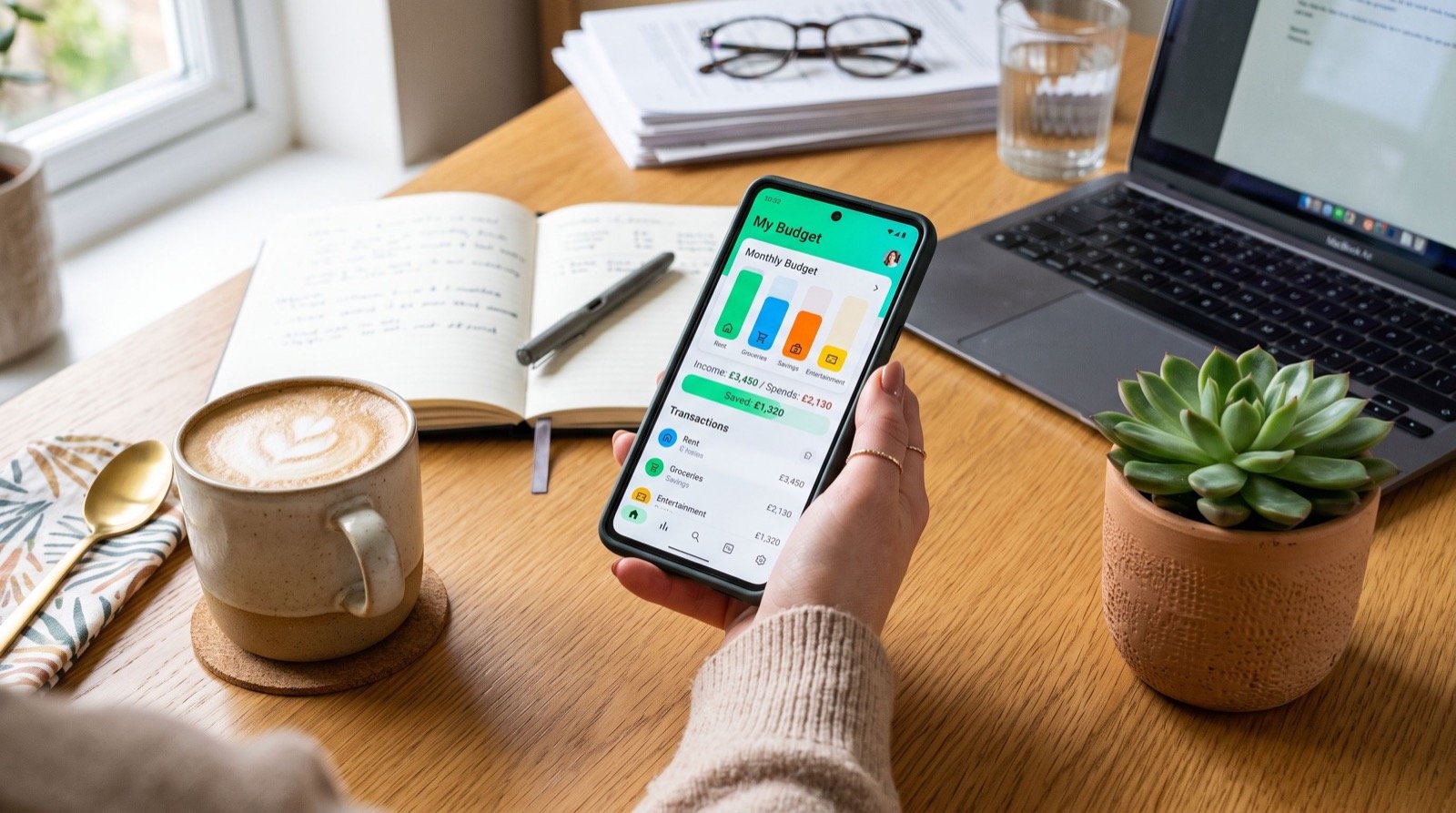
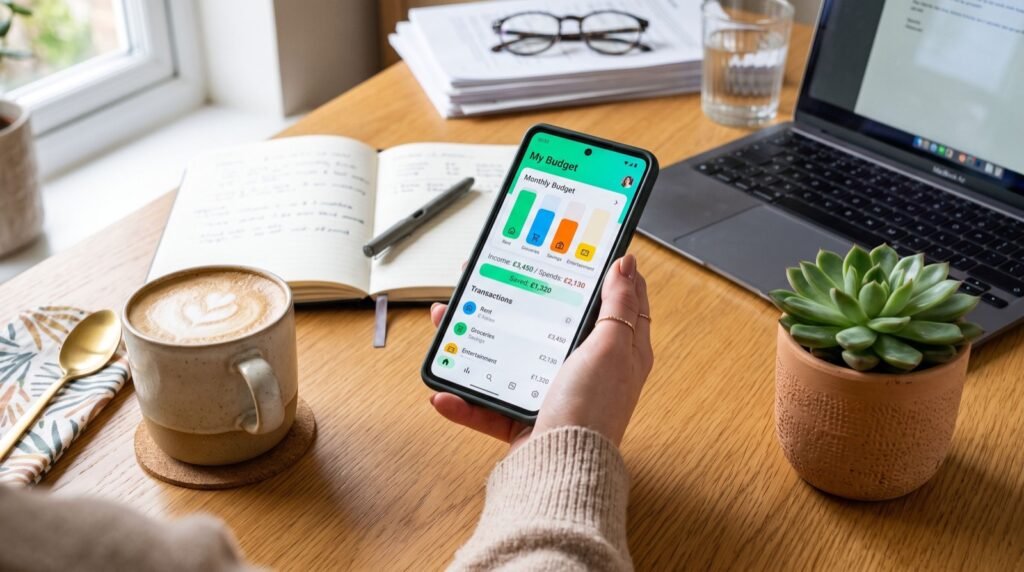
Budgeting apps connect to your accounts and sort every transaction automatically. Instead of guessing, you see exactly how much went to groceries, dining, and subscriptions each month. That clarity often reveals hundreds of dollars in forgotten spending.
The Federal Reserve’s 2024 economic well-being report found that many U.S. adults could not cover a $400 emergency with cash, a gap that visibility and automation directly help close. You can review the findings at the Federal Reserve household well-being report.
Features that separate good from great
| Feature | Benefit | Who Needs It Most |
|---|---|---|
| Auto-categorization | Effortless tracking | Everyone |
| Custom budgets | Control by category | Detailed planners |
| Round-up savings | Painless saving | Reluctant savers |
| Subscription finder | Cancels waste | Busy households |
| Net worth tracking | Big-picture view | Goal-focused users |
How Do Savings and Investing Apps Grow Your Wealth?
Savings apps make setting money aside invisible. They round every purchase up to the nearest dollar and stash the difference, or move a fixed amount on payday before you can spend it. Over a year, those small transfers add up faster than most people expect.
Investing apps lower the barrier further. Fractional shares let you own a piece of major companies with just a few dollars, and automated portfolios rebalance for you. For beginners, this removes the intimidation that keeps money sitting idle.
A realistic automation stack
- Route your paycheck via direct deposit.
- Auto-transfer a set amount to savings each payday.
- Turn on round-ups for spare-change investing.
- Schedule a monthly five-minute review.
Combining these tools creates a self-driving money system. Explore complementary money apps that connect budgeting, saving, and investing so your dashboard stays in one place.
Avoiding Common Money App Mistakes
Even great tools fail when used carelessly. The most common mistake is installing an app, linking accounts, then never opening it again. Automation helps, but a quick monthly glance keeps you honest.
Another trap is chasing every new app. Too many disconnected tools create confusion and security risk. Pick a focused stack and stick with it. The same logic applies when hiring help for a home task: a few dependable specialists beat a rotating cast of unknowns.
Protect your data
- Enable two-factor authentication everywhere.
- Use unique, strong passwords per app.
- Review linked-account permissions twice a year.
- Delete apps you no longer use.
Bill Management: Never Pay a Late Fee Again
Late fees are pure waste. They punish forgetfulness, not shortage of money. Bill-management apps centralize every due date in one place and alert you before anything is late, which protects both your wallet and your credit score.
Some of these tools go further and negotiate lower rates on your behalf. They call providers, request loyalty discounts, and cancel services you no longer use. The time and money saved often exceeds any subscription cost several times over.
What a good bill manager does
- Consolidates all due dates into a single calendar.
- Sends reminders days before each payment.
- Flags unexpected price increases automatically.
- Identifies subscriptions you have stopped using.
Reading Reviews and Protecting Your Privacy
Before you link any app to your bank, do a little homework. Check recent reviews, confirm the developer is reputable, and read what data the app collects. A five-minute check today prevents headaches later.
Privacy matters as much as security. Understand whether an app sells anonymized data and whether you can opt out. The best money apps are transparent about their business model, whether that is a subscription, a free tier, or interchange revenue from a linked card.
Trust your instincts. If an app demands more access than its function requires, or its permissions feel excessive, walk away. In 2026, plenty of well-reviewed alternatives exist, so you never have to compromise on safety to get great features.
Frequently Asked Questions
Are money apps safe to link to my bank accounts?
Leading apps use bank-level encryption and read-only connections, so they view transactions but cannot move funds. Enable two-factor authentication and only download apps from official stores to stay protected.
Which money app is best for beginners?
Start with an all-in-one budgeting app that auto-categorizes spending and offers round-up savings. It teaches you where money goes while quietly building your first savings buffer with no effort.
Do I need to pay for a good money app?
Many excellent apps offer free tiers that cover budgeting and basic saving. Paid versions add advanced tracking, unlimited budgets, and investing features, which become worthwhile as your finances grow.
How many money apps should I use?
Fewer is better. One budgeting app plus one savings or investing tool usually covers most needs. A focused stack is easier to maintain and reduces your security surface.
Pick One and Start Today
The best money apps turn good intentions into automatic results. They watch your spending, grow your savings, and remind you before bills bite, all without daily effort on your part.
Choose one tool from this guide, link an account, and enable a single automation before the week ends. That first step in 2026 sets a system in motion that keeps working long after your enthusiasm fades.